7 Places Where Vertical Sliding Windows Can Work Surprisingly Well
Vertical sliding windows are a practical choice for many spaces, including bedrooms, kitchens, bathrooms, offices, and apartments. Their space-saving design provides natural light and ventilation while fitting easily into different interiors, making them useful for both traditional and modern properties.
BES
Windows are an important part of any building. They bring in natural light, improve ventilation, and can also affect the overall look of a room. While there are many window styles available today, vertical sliding windows remain a practical choice for different types of spaces.
Their simple opening system and space-saving design make them useful in both traditional and modern properties. They can also work well in areas where a large opening is not possible.
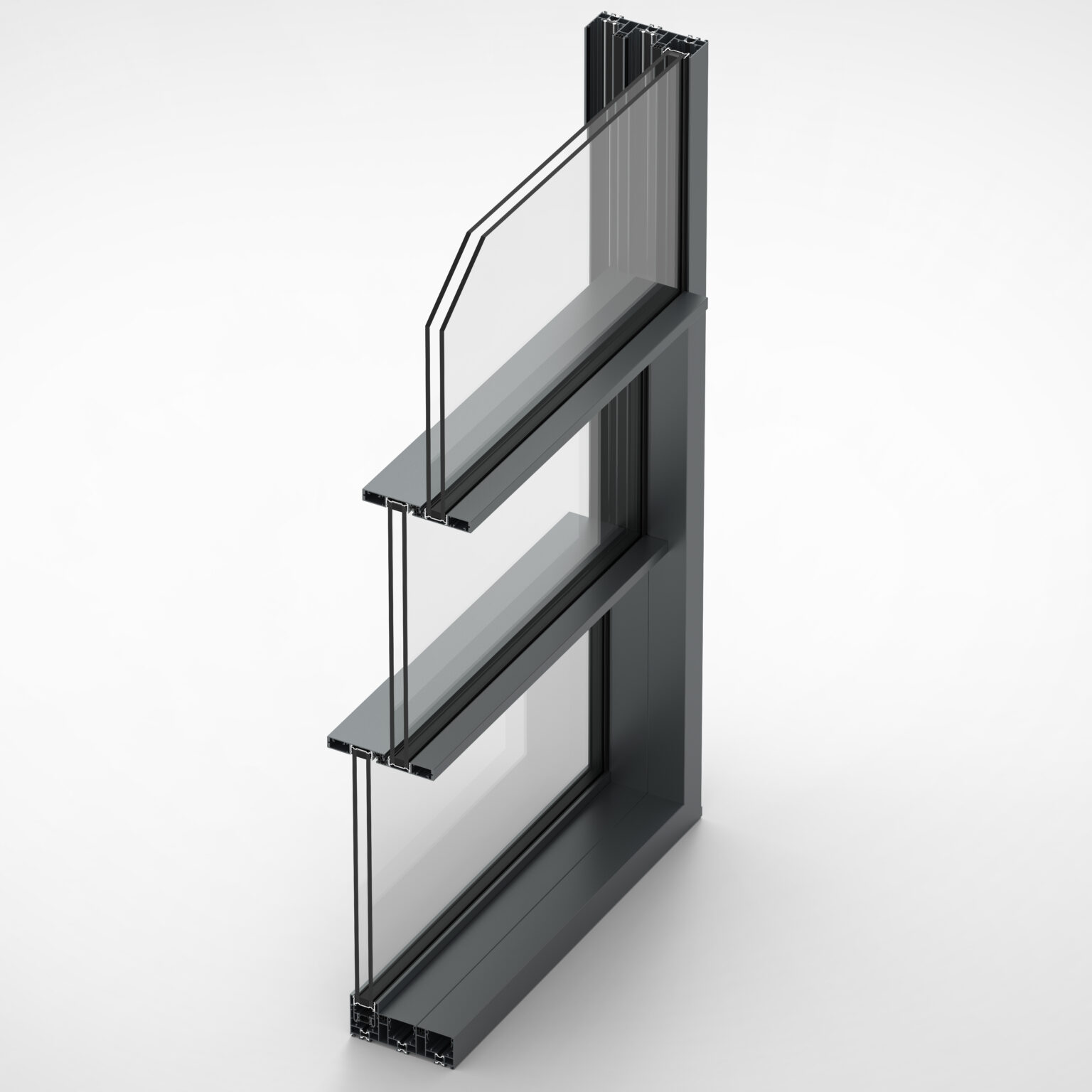
Here are seven places where vertical sliding windows can work surprisingly well.
1. Bedrooms
Bedrooms need good ventilation and natural light, but they do not always have enough wall space for large windows. This is where vertical sliding windows can be a useful option.
These windows open vertically, so they do not require additional space inside or outside the room. This makes it easier to place furniture such as beds, wardrobes, or side tables near the window.
A vertical sliding window can also provide controlled ventilation. You can open the upper or lower section depending on your preference. This can help fresh air enter the room without requiring the entire window to be open.
For bedrooms, the clean appearance of these windows can also work well with different interior styles.
2. Kitchens
The kitchen is another area where vertical sliding windows can be practical. Kitchens often have limited wall space because cabinets, shelves, appliances, and worktops take up much of the available area.
A window that opens vertically can fit into this type of layout without interfering too much with the surrounding space.
Installing vertical sliding windows above or near a kitchen worktop can also help improve ventilation. Cooking can create heat, steam, and different smells, so having a window that can be opened easily can be useful.
The window can also bring natural light into the kitchen during the day, reducing the need to rely completely on artificial lighting.
3. Bathrooms
Bathrooms need proper ventilation to reduce moisture and keep the space comfortable. Vertical sliding windows can be a suitable option when there is enough wall space but not enough room for a window that opens outward.
Because the panels move vertically, the window can be opened without taking up additional floor or exterior space.
Privacy is another important consideration for bathrooms. Depending on the design, homeowners can use suitable glass options to allow natural light while maintaining privacy.
The simple design of vertical sliding windows can also complement both traditional and contemporary bathroom interiors.
4. Home Offices
Home offices have become an important part of many homes. A comfortable workspace needs natural light, fresh air, and a layout that does not feel crowded.
Vertical sliding windows can work well in home offices because they provide these benefits without requiring a large opening.
A window placed beside or behind a desk can allow daylight into the room and create a more pleasant working environment. Since the window does not swing inward, it is less likely to interfere with the desk or office furniture.
For smaller home offices, this can make a noticeable difference. The room can feel brighter and more open while still keeping the available floor area practical.
5. Narrow Corridors and Stair Areas
Corridors and staircases are often overlooked when planning windows. However, these areas can sometimes feel dark because they do not have direct access to large openings.
Vertical sliding windows can be useful in such spaces where wall height is available but floor space is limited.
For example, a vertically arranged window along a staircase can introduce daylight into the area. It can also provide ventilation when required.
In a narrow corridor, a window can help prevent the space from feeling closed or dull. The vertical shape can also complement the height of the wall and create a balanced appearance.
This makes vertical sliding windows an interesting option for areas that may otherwise receive little attention during the design process.
6. Traditional and Period-Style Homes
Vertical sliding windows are often associated with traditional architecture, which makes them a natural choice for older or period-style properties.
If a homeowner is renovating a traditional house, replacing old windows with a completely different style may change the character of the building. Vertical sliding windows can help maintain a familiar appearance while providing modern improvements.
They can be designed with different frame finishes and glass options to suit the existing architecture.
At the same time, modern manufacturing can offer better performance than older window systems. This means homeowners do not necessarily have to choose between traditional appearance and modern functionality.
For renovation projects, matching the window design with the building's existing style is important. Vertical sliding windows can provide a balanced solution.
7. Modern Apartments
Vertical sliding windows are not limited to traditional properties. They can also work well in modern apartments, especially where space is limited.
Apartments often have smaller rooms, compact balconies, and carefully planned layouts. Every part of the available space needs to be used efficiently.
Since vertical sliding windows do not need a large opening area, they can fit well into compact spaces. They can also provide natural light and ventilation without interfering with furniture or other parts of the room.
In a modern apartment, the frame finish can be selected to match the interior design. Simple colours and clean lines can help the windows blend naturally with contemporary interiors.
For apartments where practical design is important, this can make vertical sliding windows a useful option.
Why Choose Vertical Sliding Windows?
The biggest advantage of vertical sliding windows is their practical opening system. Instead of moving outward or inward, the panels slide vertically. This can help save space and make them suitable for rooms with limited layouts.
They can also offer good ventilation control. Depending on the window design, homeowners may be able to open only part of the window rather than the complete opening.
Another benefit is their flexible appearance. Vertical sliding windows can suit traditional homes, modern apartments, offices, kitchens, bedrooms, and many other spaces.
However, the right choice depends on the building, window size, glass type, frame material, ventilation requirements, and installation quality.
What Should You Consider Before Installation?
Before choosing vertical sliding windows, it is important to consider the size of the opening and the way the room is used.
Think about how much natural light you need and how much ventilation the space requires. You should also consider the frame material, glass performance, security features, maintenance requirements, and overall design.
The quality of installation is equally important. Even a good window may not perform properly if it is incorrectly measured or installed.
It is therefore useful to work with an experienced window supplier or installer who can recommend a suitable design based on your building and requirements.
Final Thoughts
Vertical sliding windows can work in more places than many homeowners expect. From bedrooms and kitchens to bathrooms, home offices, corridors, traditional houses, and modern apartments, they can provide a practical combination of ventilation, natural light, space efficiency, and style.
Their simple vertical opening system makes them particularly useful where space is limited. With the right size, materials, glass, and installation, vertical sliding windows can become both a functional and attractive part of a building.
Thanks for reading — slowly, we hope.
More stories